No products in the cart.
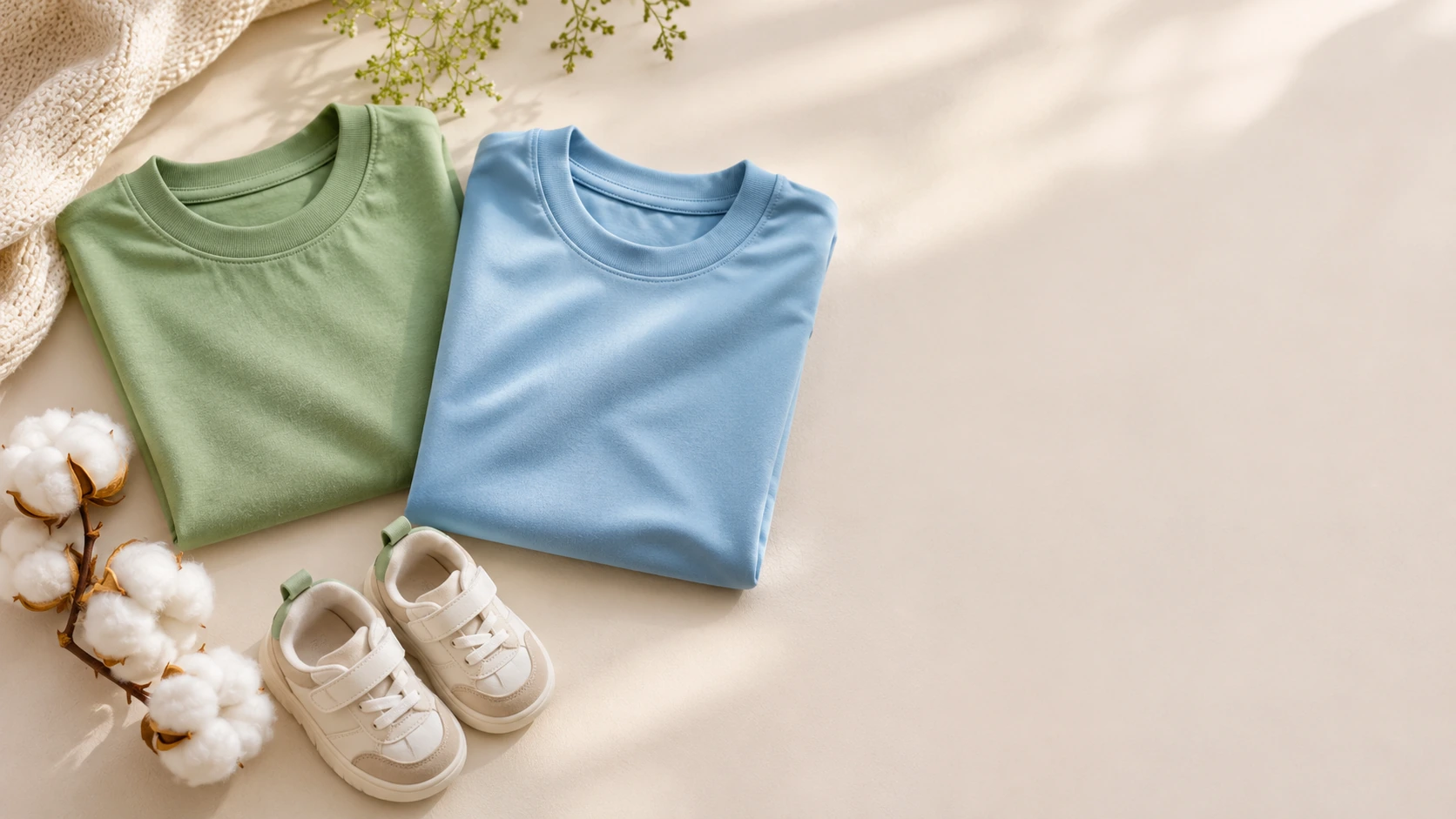


When shopping for children's clothing, fabric matters just as much as design. Parents want clothes that feel comfortable, hold up to everyday activities and are easy to care for. Two of the most common materials they encounter are cotton and polyester.
But when it comes to cotton vs polyester, which fabric is the better choice for children?
Both materials have advantages. Cotton is a natural fibre known for its soft feel and moisture absorption, while polyester is a synthetic fibre valued for its durability, shape retention and quick-drying properties. The right choice depends on how the clothing will be used, the child's comfort and the parent's care preferences.
Let's compare the two fabrics and explore what to consider when choosing everyday clothing for children.
Cotton is a natural fibre obtained from the cotton plant. It is widely used in clothing because of its soft feel, breathability and ability to absorb moisture.
Cotton fabric is available in different constructions and weights, making it suitable for a wide range of garments, from lightweight T-shirts to heavier sweatshirts.
For children's clothing, cotton is often chosen because it feels comfortable against the skin and can be worn for everyday activities.

Some common characteristics of cotton include:
The feel and performance of cotton clothing also depend on the quality of the fibre, fabric construction, finishing and garment design.
Polyester is a synthetic fibre commonly used in clothing. It is made from polymer-based materials and is widely used in sportswear, casual clothing, outerwear and blended fabrics.
Its popularity comes from properties such as durability, wrinkle resistance and relatively quick drying.
Some common characteristics of polyester include:
Polyester can be useful for activewear and clothing that needs to dry quickly. However, its feel and breathability vary depending on the fabric construction and finish.
Although both materials are widely used in children's clothing, they offer different characteristics.
| Comparison | Cotton | Polyester |
|---|---|---|
| Fibre origin | Natural plant-based fibre | Synthetic fibre |
| Feel | Often soft and natural against the skin | Can feel smooth, lightweight or textured depending on construction |
| Moisture absorption | Absorbs moisture | Absorbs relatively little moisture |
| Drying time | Generally takes longer to dry | Generally dries faster |
| Wrinkle resistance | Can wrinkle more easily | Generally more wrinkle-resistant |
| Durability | Depends on fibre quality and fabric construction | Generally resistant to stretching and shrinking |
| Breathability | Depends on weave, knit and fabric weight | Depends on construction; some fabrics can feel less breathable |
| Care | May shrink or wrinkle if not cared for properly | Often easier to maintain and retain its shape |
Neither fabric is automatically better in every situation. Understanding these differences helps parents choose clothing that suits their child's activities and everyday needs.
Comfort is one of the most important considerations when buying children's clothing. Children spend much of their day moving, playing and exploring, so their clothes should feel comfortable throughout different activities.
Cotton is often preferred for its soft, natural feel. It is commonly used in everyday T-shirts, tops and other garments that sit directly against the skin.
Polyester can also be comfortable, particularly when it is designed for sportswear or active use. However, the feel varies considerably between fabrics. Some polyester materials may feel smooth and lightweight, while others can feel less comfortable in warm conditions.
Children are active. Whether they are playing outdoors, running around the playground or spending time with family, their clothing should suit the environment and level of activity.
Cotton absorbs moisture and many cotton fabrics allow good airflow. However, cotton can retain moisture once it becomes wet, which may make it feel damp for longer.
Polyester absorbs less moisture and usually dries faster. This can make it useful for sportswear and activities where quick drying is important. Its breathability, however, depends on how the fabric is constructed.

Children's clothes go through frequent washing, movement and everyday wear. Durability is therefore an important consideration for parents.
Polyester is generally resistant to shrinking, stretching and wrinkling. These properties make it a common choice for garments that need to retain their shape after repeated use.
Cotton is also suitable for everyday clothing, but its durability depends on fibre quality, fabric weight, construction and care. Some cotton garments may shrink or lose their shape if washed or dried incorrectly.
Parents often prefer clothing that does not require complicated washing routines.
Cotton garments are usually straightforward to wash, but some may shrink, wrinkle or require more careful drying. Following the garment's care label helps maintain its original shape and appearance.
Polyester garments generally resist wrinkles and dry faster. However, washing instructions still matter. High temperatures and unsuitable drying methods can affect synthetic fabrics too.
Before purchasing children's clothing, check the care instructions to understand how the garment should be washed and dried. Our size and fit guide can also help you choose the right size before you buy.
The environmental impact of a fabric depends on more than whether it is natural or synthetic. Factors include raw material production, water and energy use, processing, garment lifespan, washing and disposal.
Conventional cotton cultivation can involve significant water use and agricultural inputs, depending on the growing region and farming practices.
Polyester is made from synthetic materials, commonly derived from fossil fuels. It also releases microplastic fibres during washing, although the amount varies with the garment and washing conditions.
Organic cotton is another option worth understanding. It is grown according to organic agricultural standards, which restrict the use of certain synthetic pesticides and fertilisers. Certification schemes can help shoppers verify how products have been produced and processed.
Parents interested in fabric choices should consider the material, manufacturing information, certification and expected garment lifespan rather than relying on a single environmental claim. To learn more about our own approach, visit our Sustainability page.
The best fabric depends on the purpose of the garment.
| Clothing need | Fabric to consider | Why |
|---|---|---|
| Everyday T-shirts and tops | Cotton | Often offers a soft feel and good moisture absorption |
| Sportswear and activewear | Polyester or suitable blends | Can dry quickly and retain shape |
| Lightweight everyday clothing | Cotton or cotton blends | Choice depends on fabric weight and construction |
| Clothing that needs frequent washing | Cotton or polyester | Check durability and care instructions |
| Clothing for warm conditions | Lightweight, breathable fabrics | Construction and weight matter more than fibre name alone |
For everyday children's clothing, cotton is a popular choice because of its natural feel and versatility. Polyester can be useful when durability, wrinkle resistance and quick drying are priorities.
Some garments combine cotton and polyester to bring together characteristics of both fibres. These blends can offer a balance of comfort, durability and easier maintenance.
Not sure where to start? Our guides on buying safe, comfortable children's clothing and what to look for when buying toddler clothes online walk through the other things worth checking.
Parents comparing fabrics may also come across organic cotton. Unlike conventional cotton, organic cotton is grown under agricultural standards that restrict certain synthetic pesticides and fertilisers.
When evaluating organic cotton clothing, consider:

HQSAGA®® offers children's clothing made from 100% GOTS-certified organic cotton, with UPF 50+ fabric testing. These are two separate product attributes: the organic cotton certification relates to the material and its supply chain, while UPF testing relates to the fabric's ultraviolet protection performance.
Parents can explore HQSAGA®®'s children's clothing collection to discover its range of everyday styles, or read what makes HQSAGA®®'s approach to kids' clothing different.
Cotton is often preferred for everyday children's clothing because of its soft feel and moisture absorption. Polyester offers advantages such as quick drying, wrinkle resistance and shape retention. The better choice depends on the garment's purpose, fabric construction and the child's comfort.
Many cotton fabrics allow good airflow and absorb moisture. Polyester's breathability varies depending on its construction, with some specially designed polyester fabrics offering good ventilation. Fabric weight and weave or knit also influence breathability.
Polyester absorbs less moisture than cotton, so some polyester garments may feel less comfortable in hot conditions. However, performance depends on the fabric construction, garment design and activity level.
Cotton can shrink, particularly when exposed to high washing or drying temperatures. Polyester is generally more resistant to shrinking and tends to retain its shape better. Following garment care instructions helps maintain both fabrics.
Lightweight cotton is a popular choice for summer clothing because of its soft feel and moisture absorption. However, some polyester fabrics are designed for ventilation and quick drying. The fabric's weight, construction and fit are important considerations.
Cotton-polyester blends combine characteristics of both fibres. They may offer the comfort associated with cotton alongside polyester's wrinkle resistance and shape retention. The actual performance depends on the blend ratio and fabric construction.
Organic cotton and polyester are different types of materials with different production methods and properties. Organic cotton is grown according to organic agricultural standards, while polyester is a synthetic fibre. The choice depends on whether the priority is natural fibre composition, moisture management, durability or care requirements. You can read more about our materials on the Our Fabrics page, or visit our FAQ for other questions.
The choice between cotton and polyester depends on what matters most in a child's clothing. Cotton is often preferred for its soft feel and moisture absorption, while polyester offers advantages in durability, wrinkle resistance and quick drying.
Neither material is universally better. Parents should consider the garment's purpose, fabric construction, comfort, care requirements and material information before making a purchase.
For everyday children's clothing, cotton remains a versatile option. Exploring organic cotton can also help parents make a more informed choice about the materials used in their children's wardrobe.
Leave a comment